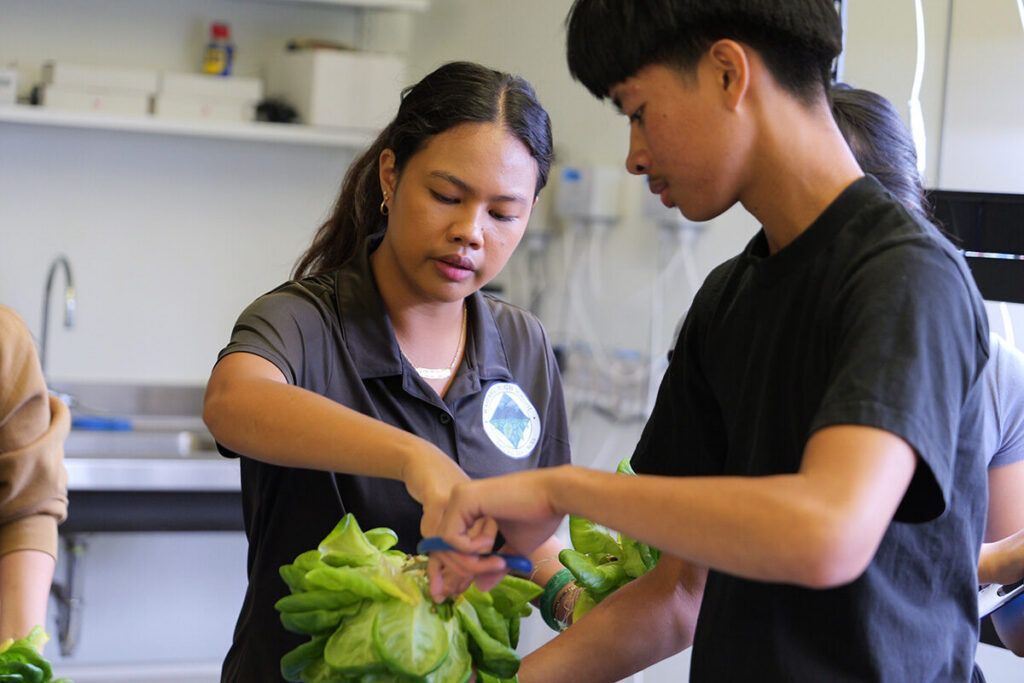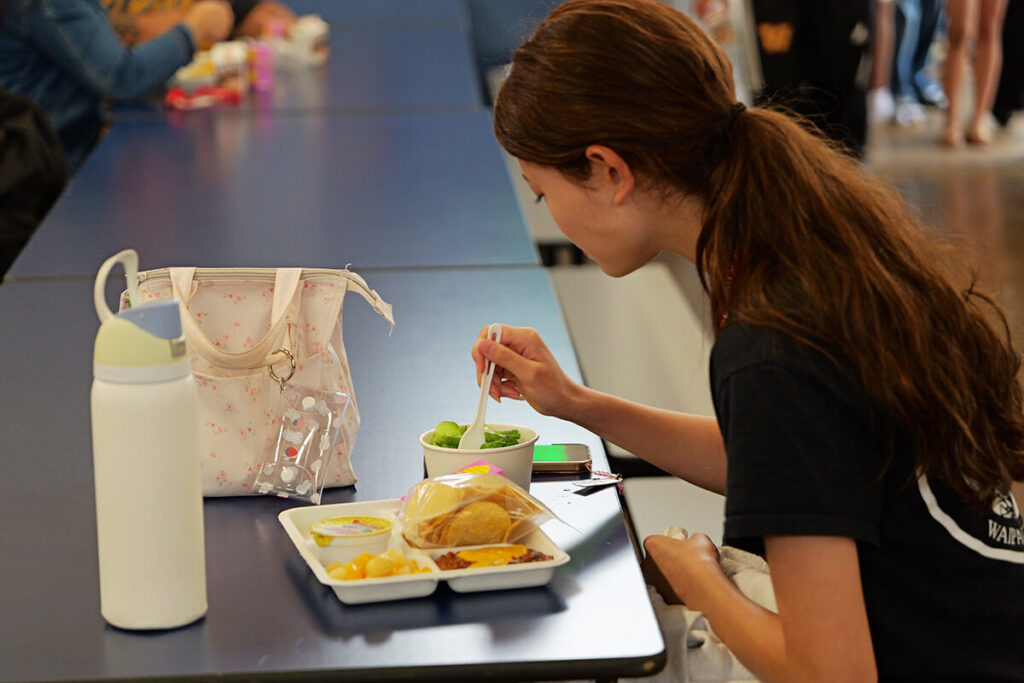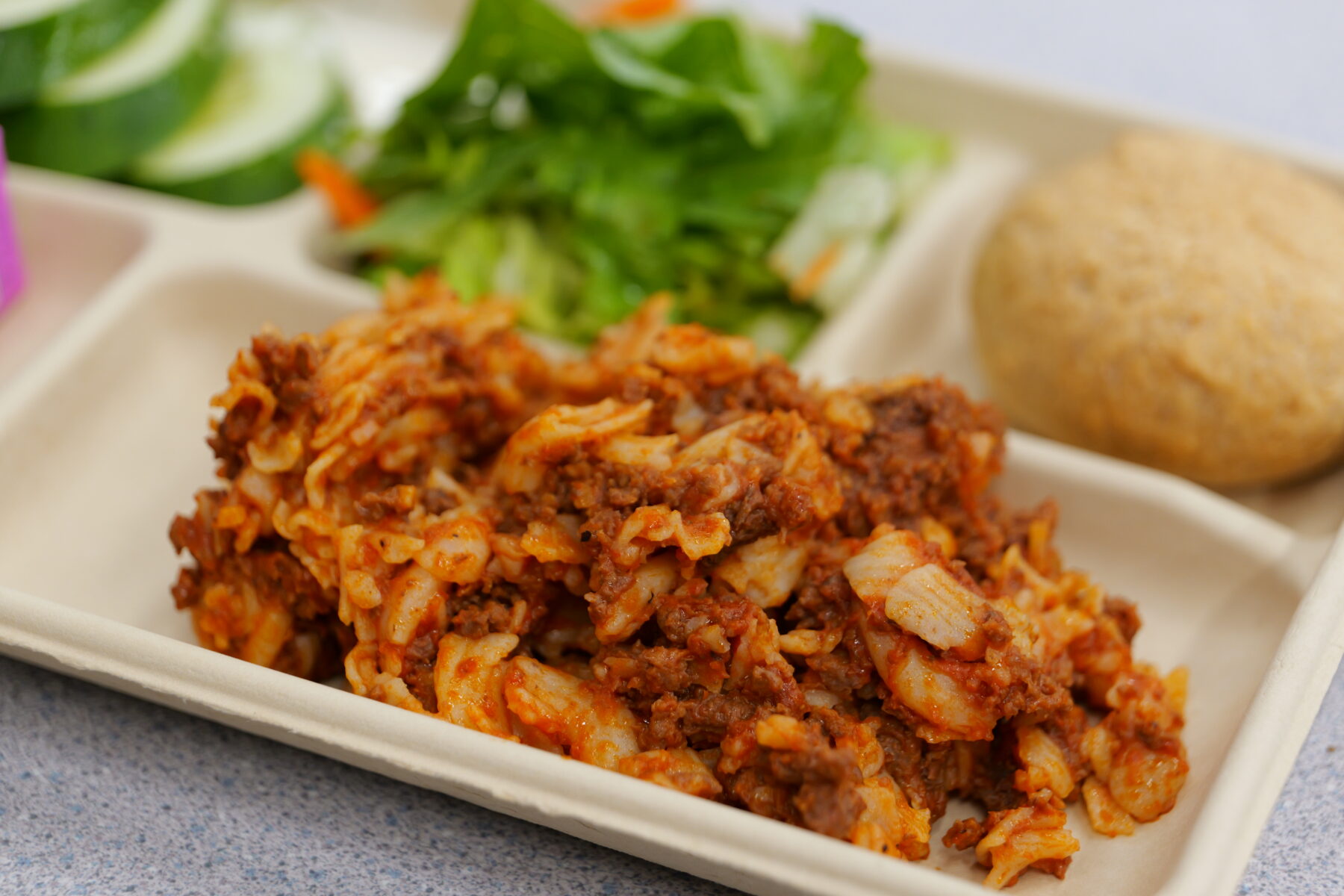
WAIPAHU — Fresh produce grown just steps from school cafeterias is making its way into student lunches as Hawaiʻi public schools expand farm-to-school efforts through school gardens and new hyper-local purchasing practices.
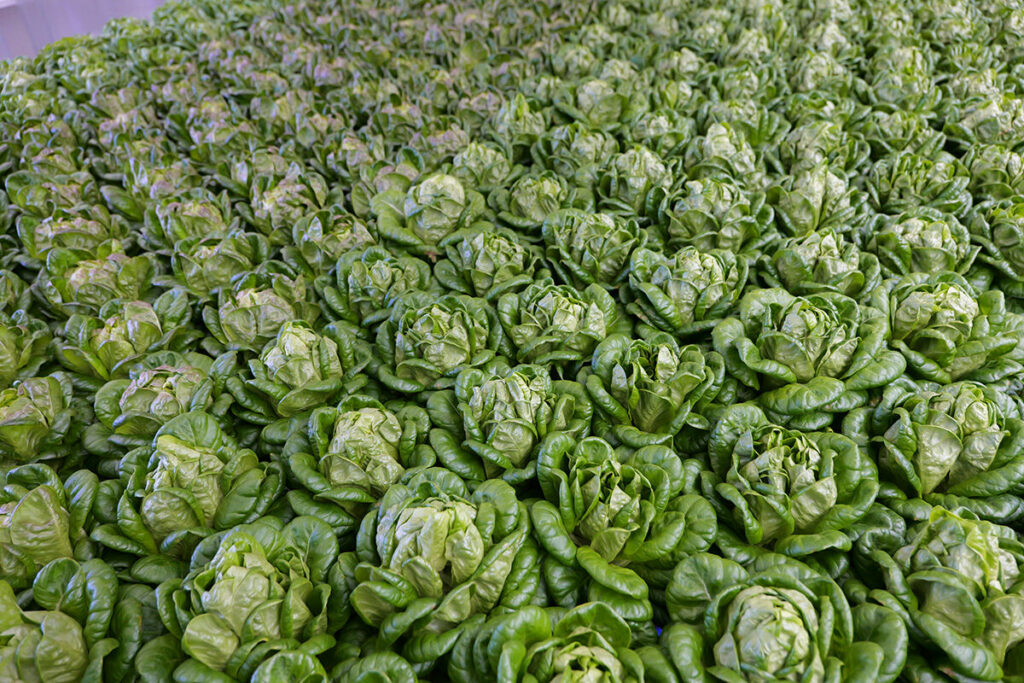
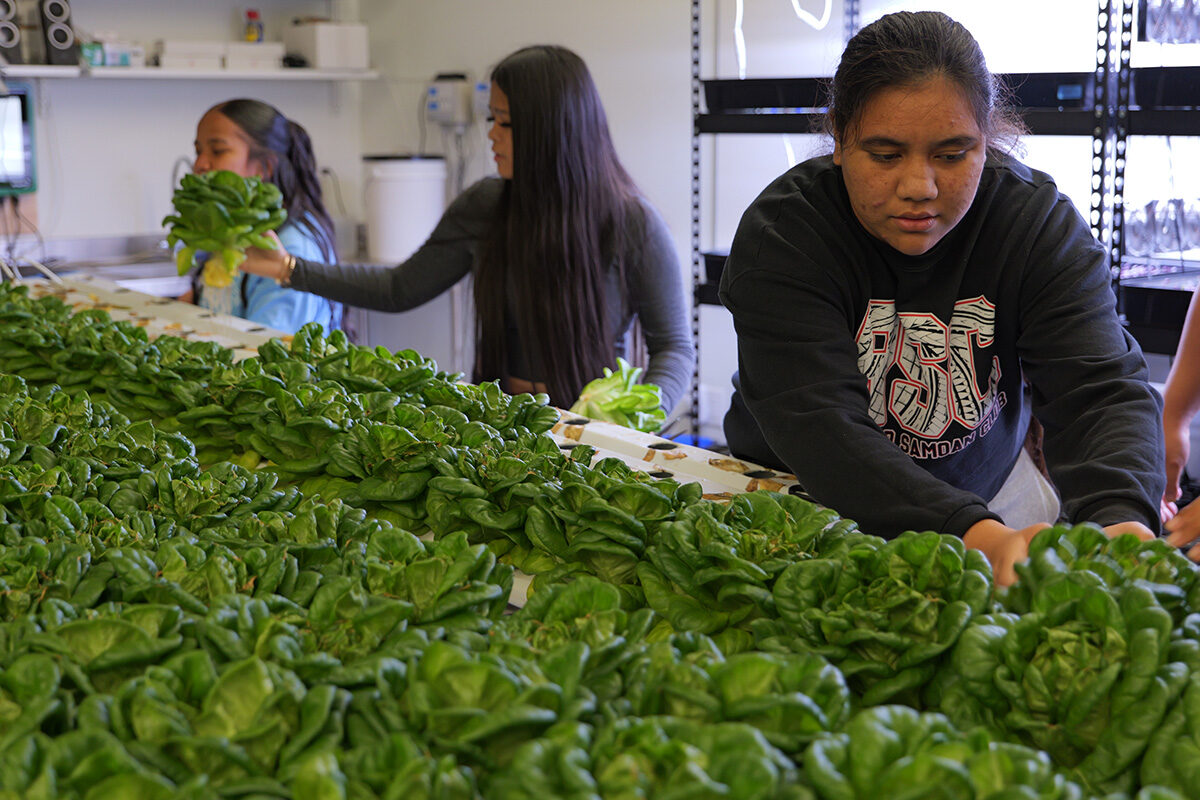
At Waipahu High and Leilehua High on O‘ahu and Hāna High & Elementary on Maui, students are planting, harvesting and now enjoying produce grown in their own school gardens — lettuce at Waipahu and Leilehua, and ʻuala (sweet potato) at Hāna — bringing the farm-to-school experience full circle. The effort builds on the Hawaiʻi State Department of Education’s (HIDOE) broader push to increase access to fresh, locally grown foods while strengthening connections between students, their food and their communities.
这些学校花园的成果通过该部门的新型超本地采购方式被纳入了食堂的菜单中,该方式允许学校在满足州采购要求的同时,采购少量当地种植的农产品——无论是来自附近的农场还是自己的花园——。根据这一模式,采购金额在整个10个月的学年内不得超过 $5,000,且必须集中在一家特定农场或食品中心,该中心为一所学校提供特定产品。农产品还必须符合HIDOE批准的配方,且供应商必须保持符合《夏威夷合规快车》的水平。 食品安全认证.
At Waipahu High, students in the school’s Academy of Natural Resources had long discussed the idea of serving their produce in the cafeteria and were excited to see it finally become reality.
“It does help us not really rely on the mainland for vegetables,” Sherlene May Abuyo, a senior at Waipahu High School said. “Compared to if our students actually give produce to our cafe, it’s more fresh for our students to eat.”
For students involved in growing the produce, seeing their harvest served to classmates has been especially meaningful.
“It’s very rewarding seeing how our work gets put into food that everyone else actually gets to eat,” Waipahu High junior Alaiza Alvarez said. “I definitely think that all schools should have some sort of system like this.”
Alvarez added that the experience has shown students how school gardens can support sustainability efforts while creating a stronger connection to food.“It really models a sustainable system of how you grow the food and everyone else gets to eat the food,” she said. “It’s rewarding and sustainable.”
Students also said the effort has created greater excitement around local food and where school meals come from.
“It’s really encouraging to see local food and local produce being integrated more into our school lunches,” Waipahu High junior Kotone Springer said.
Springer said students appreciate knowing exactly where their food is coming from and being able to see the process firsthand.
“Waipahu made their own lettuce, and we’re eating it right now,” she said. “I’m just so excited to see their faces and their reactions to them actually trying their own lunches that were grown from our school.”
超本地采购流程的拓展已通过与小型农场的合作取得了成功——例如最近推出的 卡哈卢乌小学种植的本地微型菜 ——产自附近地区的农产品会在几天内就绪供食。该州各地正在制定其他协议。.
Students at Waipahu High also hope the program continues to expand beyond lettuce to more locally grown produce and native crops.
“Hopefully we can start working on producing more local and native species as well,” Springer said. “We can be the first steps to encouraging local produce and native foods to our students’ palates.”
In addition to increasing the freshness and quality of school meals, the effort supports broader goals of sustainability, student wellness and local food system resilience. The initiative is part of HIDOE’s broader farm-to-school program, which supports food sustainability in Hawaiʻi and aligns with 第175号法案’s goals to improve student health while strengthening the local agricultural economy.
Hawaiʻi public schools are among the state’s largest institutional food consumers, serving more than 100,000 student meals each day. HIDOE continues to work with local farmers and vendors statewide to expand the regular use of fresh, Hawaiʻi-grown produce in school cafeterias.