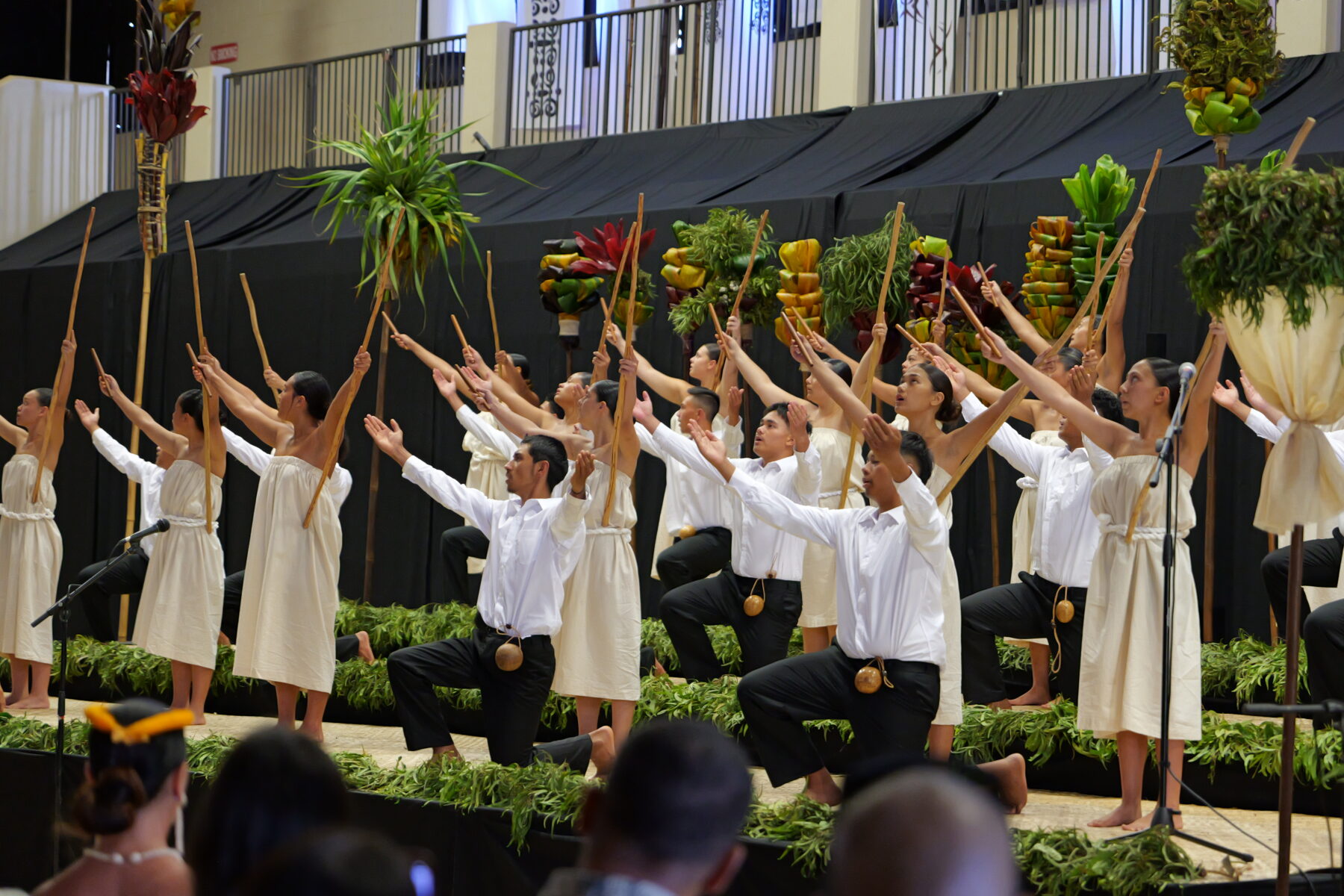
In response to growing demand for Hawaiian language immersion education, the Hawai‘i State Department of Education (HIDOE) has expanded its Kaiapuni program by adding schools, strengthening teacher recruitment and retention efforts and implementing a new streamlined enrollment process for students.
Following the launch of a new priority placement process in February, the HIDOE Office of Hawaiian Education (OHE) successfully placed 367 students in 11 Department Kaiapuni programs for the upcoming 2026-27 school year. An additional 17 students were placed in the State Kaiapuni Distance Learning Program due to limited in-person program capacity on Hawaiʻi Island.
The new process aimed to provide a transparent, equitable way for newly enrolling or transferring students to access Kaiapuni education and to provide the Department and schools with data to inform planning. Previously, individual schools managed Kaiapuni enrollment and growth, resulting in inconsistent enrollment practices across campuses and uncertainty for families.
“The launch of the Kaiapuni Priority Placement Request Process provided baseline data for the Department as we lean into data-informed practices and our ongoing commitment to expanding access to quality Hawaiian immersion education,” HIDOE Office of Hawaiian Education Director Kauʻi Sang said. “The process generated key data points to be used in a new Kaiapuni Data Dashboard to inform the course for strategic growth.”
In addition to the new enrollment process, access to Hawaiian immersion education is continuing to expand across the state, guided by the Department’s newly adopted Kaiapuni Strategic Implementation Plan. Progress on strategies include:
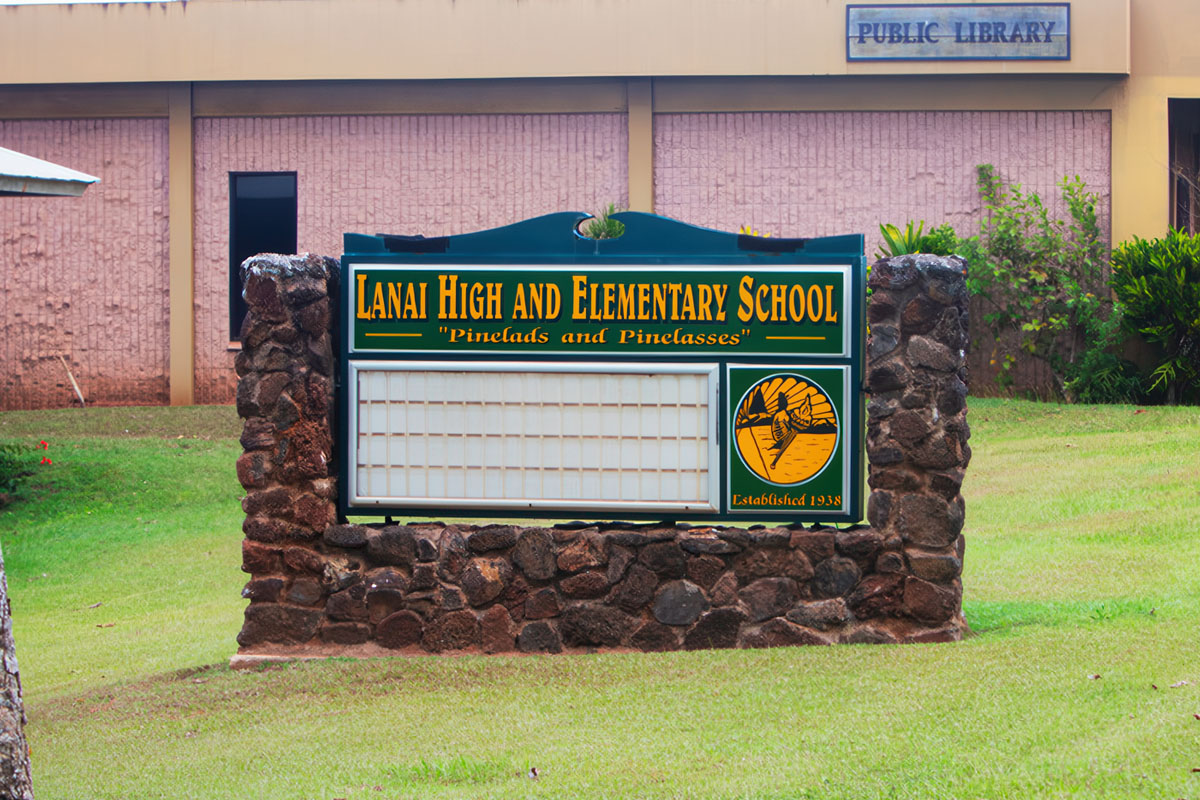
- Starting next school year, a new Kaiapuni program will launch at Prince Jonah Kūhiō Kalanianaʻole Elementary on Hawai‘i Island, increasing the total number of Kaiapuni schools in the HIDOE to 27. Several schools with existing Kaiapuni programs — including Hāna High & Elementary, Kapolei High, Keonepoko Elementary, Lāna‘i High & Elementary, and Waimānalo Elementary & Intermediate — will also be adding grade levels. In the 2025-26 school year, more than 2,600 students were enrolled in HIDOE Kaiapuni programs statewide.
- The Palapala Aʻo Kūikawā (Hawaiian Teacher Permit) program, managed by OHE in collaboration with the Hawaiʻi Teacher Standards Board, has played a significant role in supporting the recruitment and hiring of qualified Kaiapuni teachers. Since the 2017-18 school year, the Palapala Aʻo Kūikawā program has produced 73 permitted teacher candidates, with 63% of those candidates being former Kaiapuni students or graduates. Of those 73 candidates, 27 have transitioned to full-time licensure and 24 of those are currently teaching in a Kaiapuni classroom.
- The HIDOE continues to actively recruit qualified Hawaiian language immersion teachers, offering an annual $8,000 differential to support the retention and hiring of educators in these roles.
“Attracting more Kaiapuni students creates a pipeline of qualified teachers to fill positions, changing the narrative of hiring challenges. We have set in place the Palapala Aʻo Kūikawā and it has garnered quality teachers who are familiar with our practices and imbued with the heart of Kaiapuni,” Sang said.
The HIDOE is also in the process of developing more rigorous data collection and management processes related to Kaiapuni education for continuous improvement and to inform decisions related to Kaiapuni critical need areas. A dashboard that will include statewide enrollment numbers, metrics and island-specific teacher counts is expected to be available for internal use this fall.
The Department provided an update at the June 18 Board of Education meeting, focused on Goal 2 (Capacity Development) and Goal 3 (Systems Transformation) of the 2025-29 Kaiapuni Strategic Implementation Plan. These two goals address the availability of qualified teachers and data about Kaiapuni education, which are critical to expanding Kaiapuni education.
Read about the the Kaiapuni Strategic Implementation Plan Palapala Hoʻolālā Kaʻakālai Hoʻokō Kaiapuni.