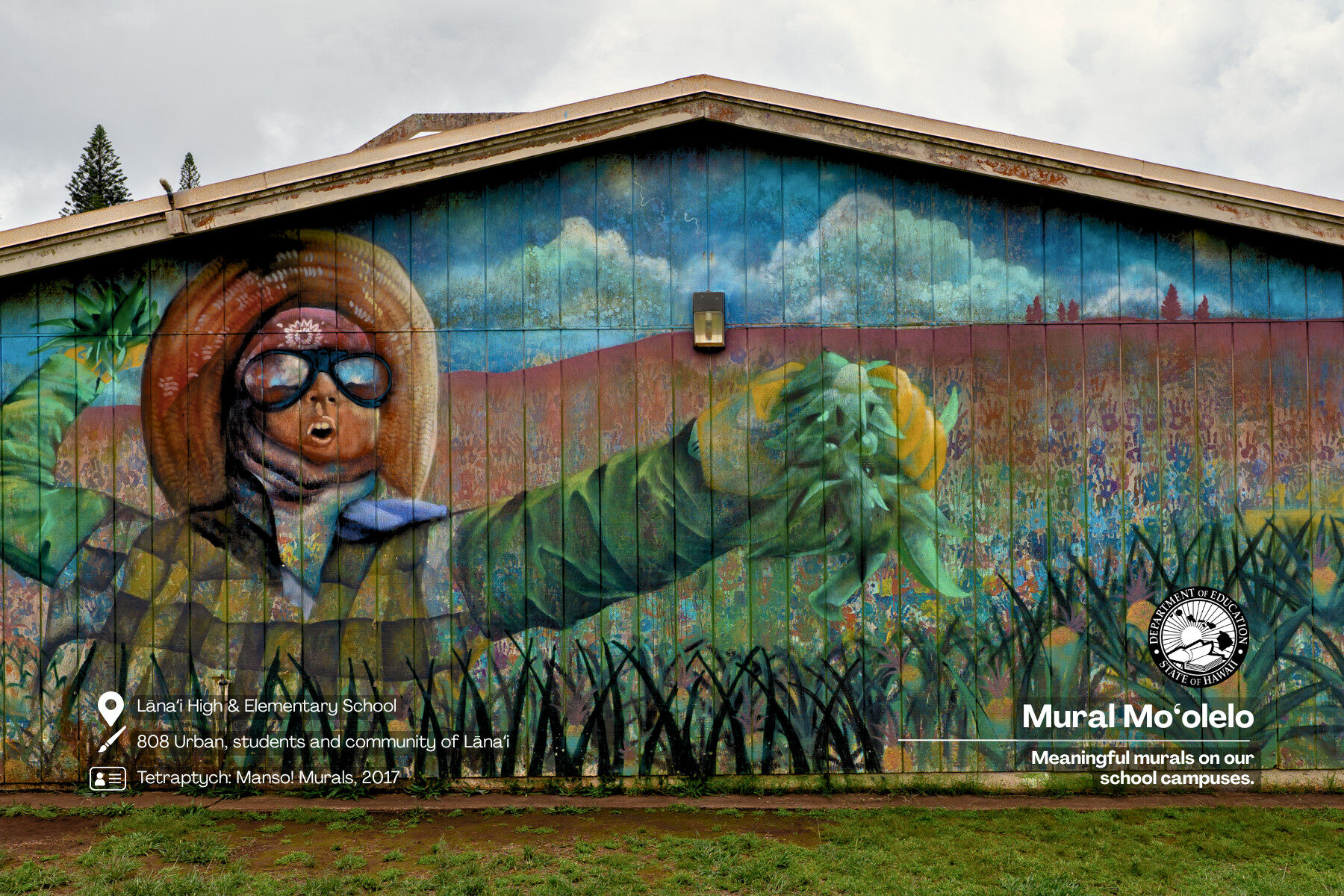
LĀNA‘I — On the campus of Lānaʻi High & Elementary School, the exterior walls of seemingly ordinary single-story classroom buildings hold a tetraptych of murals that are windows into the heritage and roots of students from longtime Lānaʻi families.
の Manso! Murals were completed in 2017 by Hawaiʻi graffiti artist John “Prime” Hina of 808 Urban. They tell the story of how underrepresented pineapple plantation workers, galvanized by local leader Pedro de la Cruz, struck to change unfair working conditions. The murals feature striking images where students and community members were invited to leave their handprint in perpetuity.
Lānaʻi High math, STEM capstone, and AP Computer Science teacher Michelle Fujie-Kaauamo served as a coordinator on the project. “These stories were held in (the students’) households, but they didn’t really know the history,” she reflected. The murals now represent a visual account of what their grandparents and great-grandparents endured.
Lānaʻi was once the world’s top producer of pineapple. For 70 years —- beginning in 1922 when James Dole purchased the island of Lānaʻi until 1992 when Dole Foods phased out operations —- the industry attracted field hands from around the world to harvest pineapples.
The first mural sets up the hardship and conditions these workers faced, laboring in the hot sun, living in company-owned housing, and picking pineapples for pennies. High atop the hill overlooking the plantations stands a large mansion — which remains today — where the field boss, or luna, lived. He surveys the fields with binoculars, spying on the laborers.
The beginnings of unrest are depicted by union members holding signs to protest “scabs” and climbing up cranes to throw pineapples at those who broke the picket line. This led to the first strike in 1947, which was unsuccessful.
Pedro de la Cruz’s family gave their blessings for the tetraptych and the second mural is an homage to his dedication. He worked tirelessly to unite all laborers, across all ethnicities, to form a powerful alliance. They stand battle-ready together over Pedro’s right shoulder. The gymnasium at Lānaʻi High is named after him.
The “Manso” crew is the namesake of the mural series. During the day, cries of “Manso!” peppered the fields as a call to action between crew members. This legendary all-female team consistently outperformed all other crews. The laborers — mothers and aunties looking to create better futures for their children — devised a method of picking and twisting pineapples simultaneously. It is a testament that skill, technique and teamwork surpass brawn all day long.
Fujie-Kaauamo shared that at the 2017 unveiling ceremony, one family had four generations of women attend, all leaving their handprints on the mural. After hearing about the strenuous work and long hours in the sun, a first grade student said, “Grandma, I didn’t know you were a hero!” The grandmother accomplished her goal: successfully escaping the fields for her descendants.
The last mural is a bittersweet reminder of the past: a harvester truck rusting in overgrown fields symbolizing the end of an era. The Ilocano phrase etched in the mural, “No saan mo nga ammo a taliawen ti naggapuam saan ka a makadanon ti papanam,” means, “You’ll never get to where you’re going if you donʻt know where you’re from.” It serves as a reminder to students at Lānaʻi High & Elementary of the heritage they carry from the pineapple fields to the football fields to the robotics field.
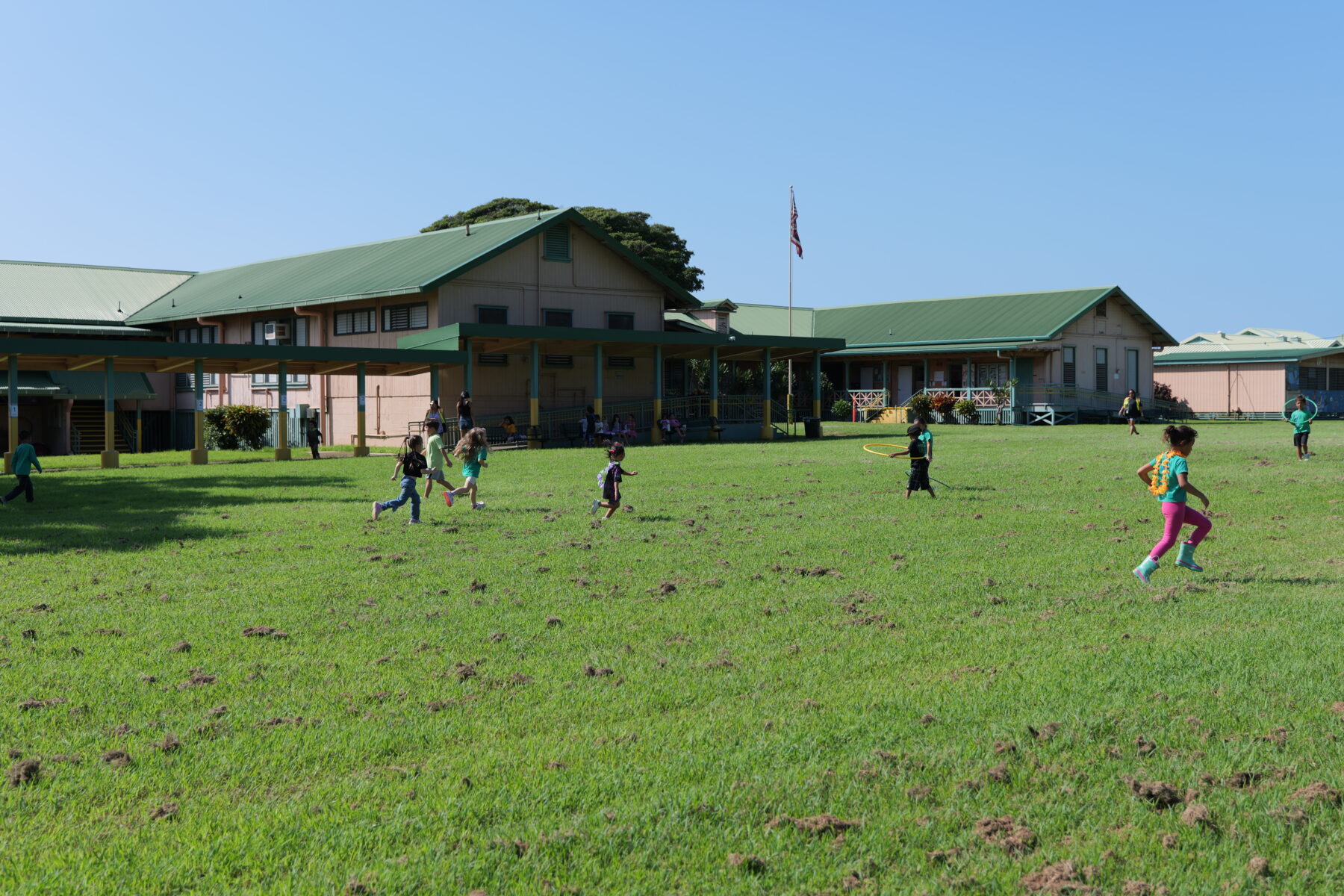
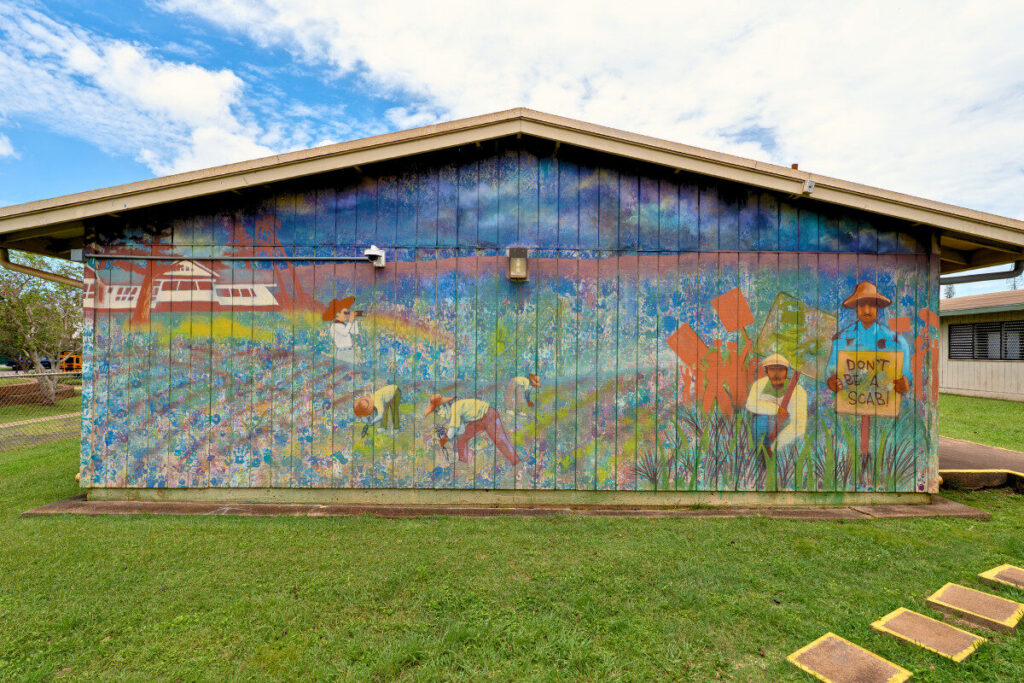 The campus of Lānaʻi High & Elementary hold a tetraptych of murals
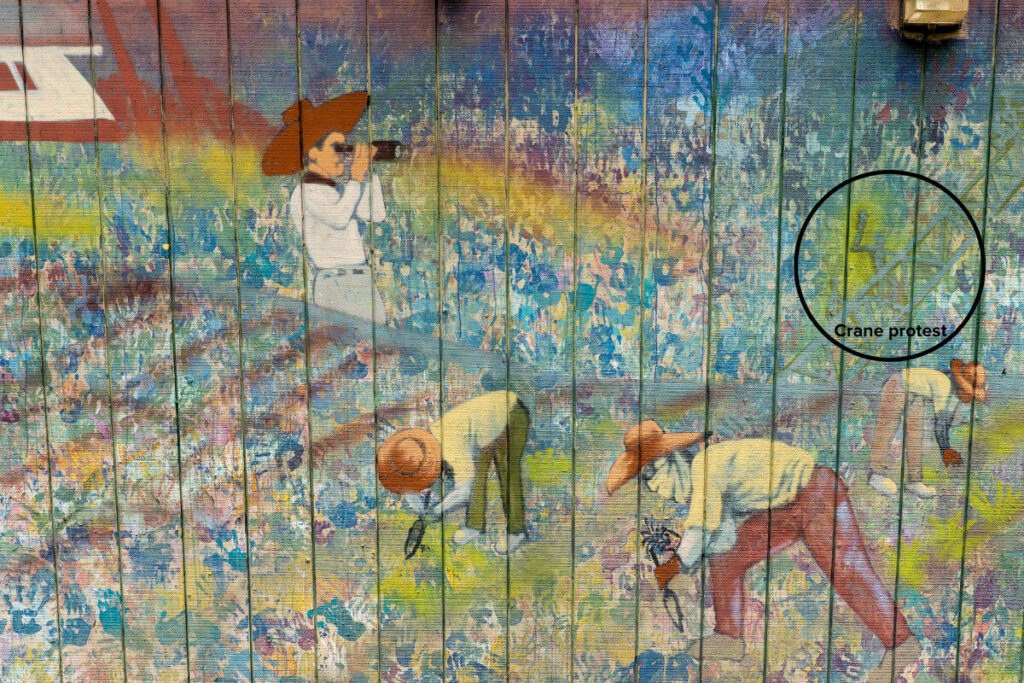 “Luna” spying on plantation workers
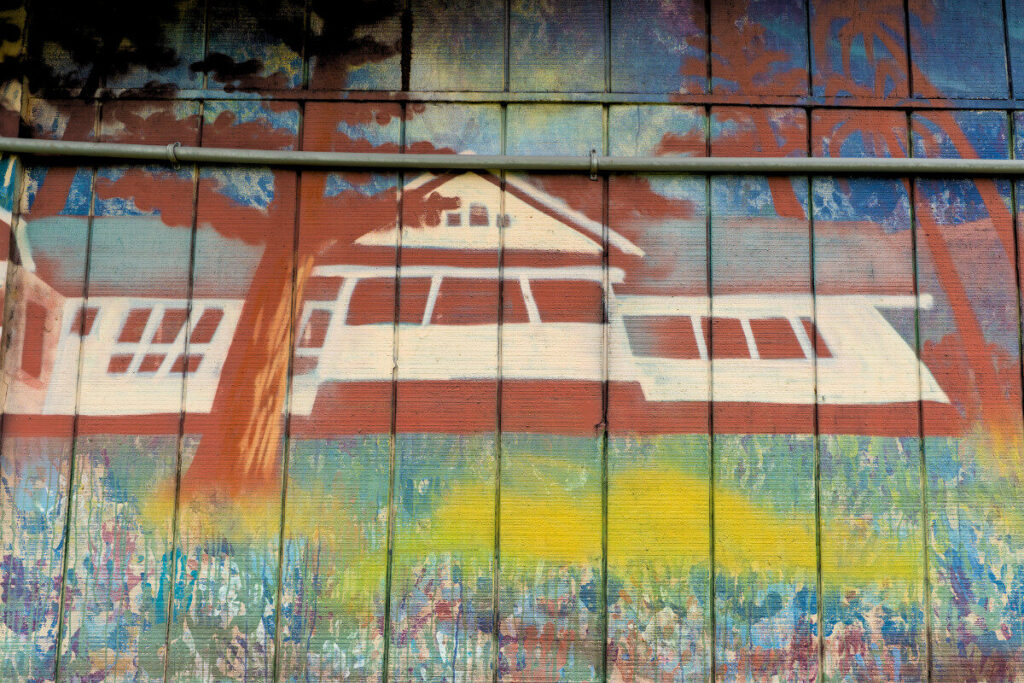 The “manager house” has an unobstructed view of the plains
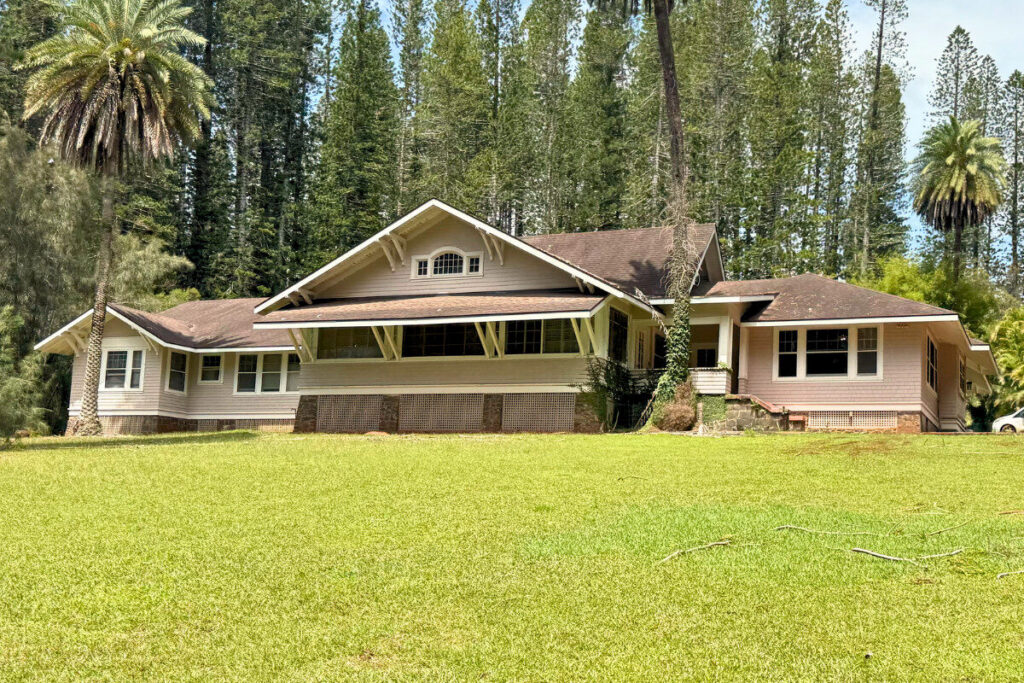 The “manager house” stands today
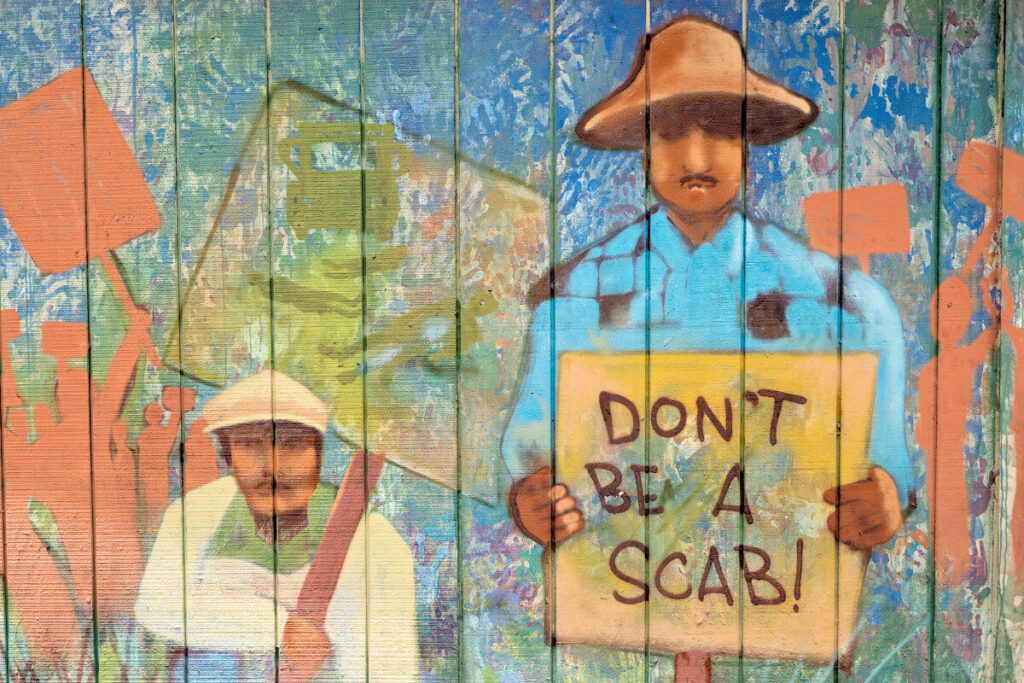 Union members protest “scabs”
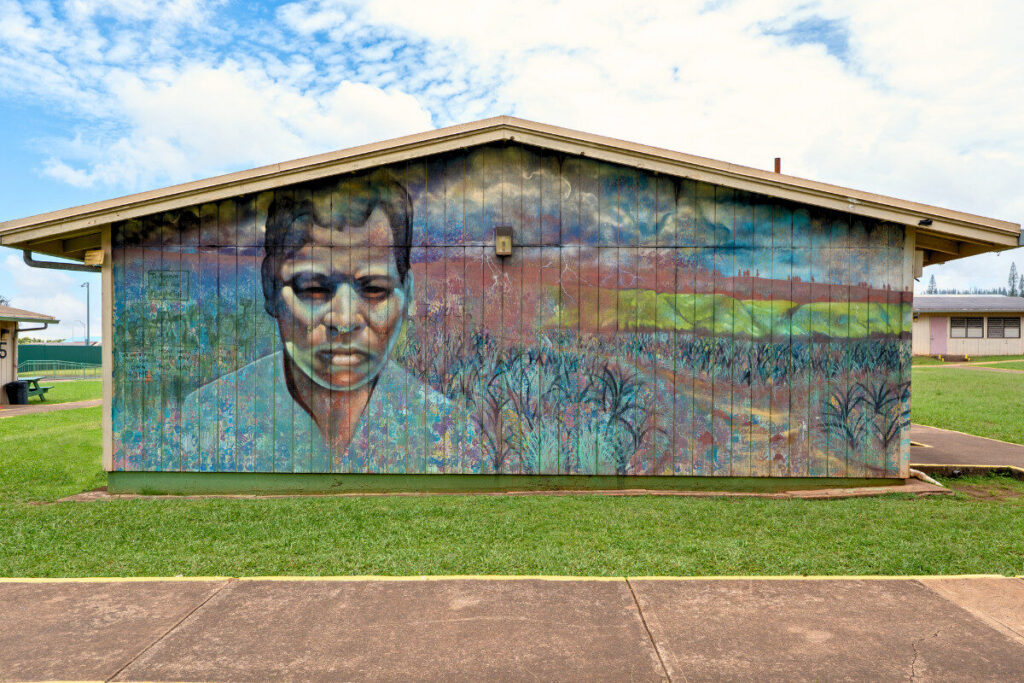 A portrait of Pedro de la Cruz
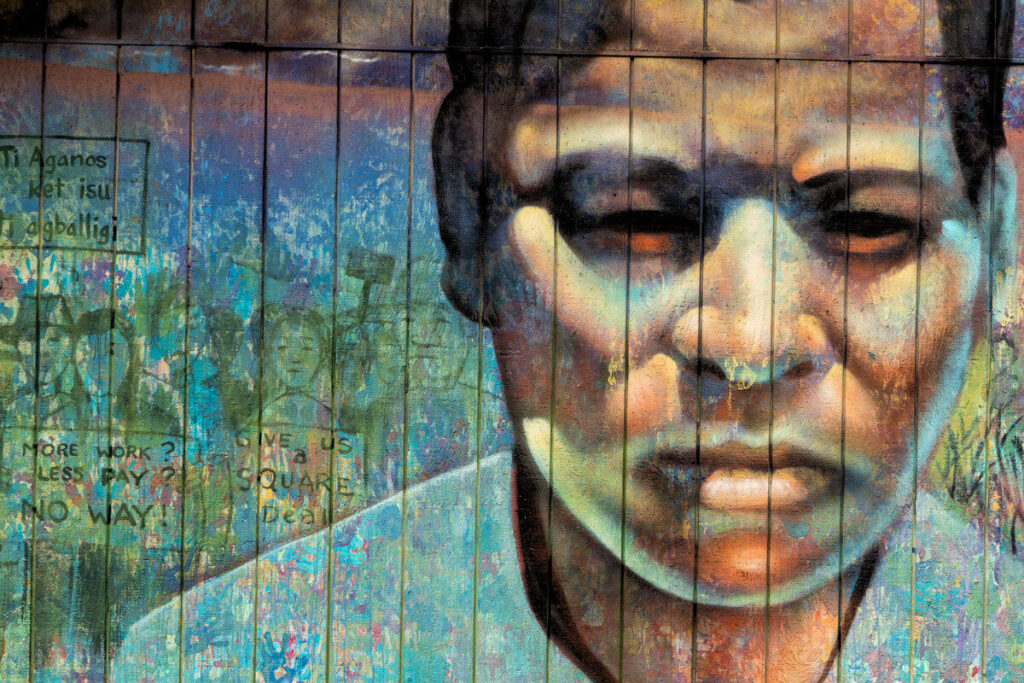 United laborers stand together over Pedro’s shoulder
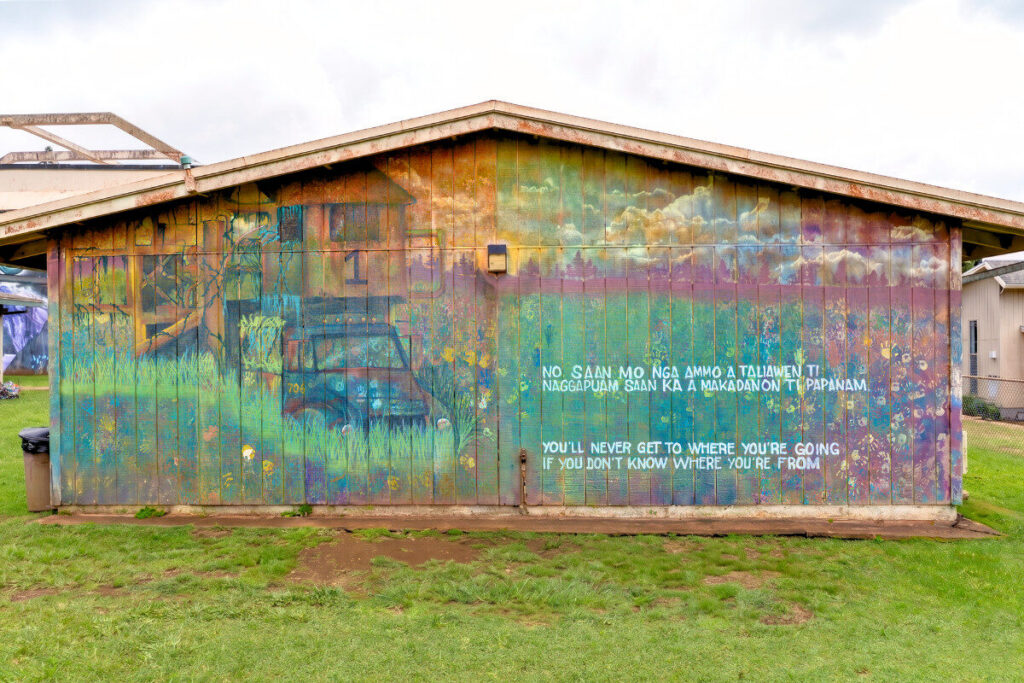 “You’ll never get to where you’re going if you donʻt know where you’re from”