
The Hawaiʻi State Department of Education (HIDOE) provides services to children ages 3 through 21, residing in Hawaiʻi, who are eligible for special education and related services. Special education is specially designed instruction, related services, and other supplementary aids to meet your child’s unique needs—at no cost to parent(s).
overview
Special education refers to a range of services provided your child with disabilities to improve their educational outcomes. It is specially designed instruction to meet the unique needs of your child with disabilities. Special education may include, but is not limited to, academic services, speech-language services, psychological services, physical and occupational therapy, counseling services, and parent education. In addition, special education services are provided at no cost to parent(s). Find out if Special Education Is it for your child? (PDF).
Special education services are made available to any student — ages 3 through 21 — who demonstrates a need for specially designed instruction after an eligibility determination. An evaluation will determine the nature and extent of the student’s needs. Evaluations are separate assessments that may include: academic performance, communication skills, general intelligence, health, vision, hearing, social and emotional status, and motor abilities. If your child is eligible for special education, services are provided through an Individualized Education Program (IEP).
Ang pederal nga Individuals with Disabilities Education Improvement Act of 2004 (IDEA) ug mga regulasyon sa estado nagkinahanglan sa HIDOE sa paghatag ug libre nga angay nga pampublikong edukasyon (FAPE), nga naglakip sa usa ka continuum sa mga serbisyo alang sa imong anak nga angayan sa espesyal nga edukasyon ug mga serbisyo nga may kalabutan.
Ebalwasyon ug Kwalipikado
Ang espesyal nga edukasyon gituyo alang sa mga estudyante nga adunay mga kakulangan nga hinungdan sa kalisud sa pagkat-on ug nanginahanglan espesyal nga panudlo.
Ang ebalwasyon gihubit isip mga pamaagi nga gigamit sa pagtino kon ang imong anak adunay kakulangan ug ang kinaiyahan ug gidak-on sa panginahanglan alang sa espesyal nga edukasyon ug mga serbisyo nga may kalabutan. Kini nga proseso makatabang sa pag-ila sa mga estudyante nga angayan alang sa espesyal nga edukasyon ug mga may kalabutan nga serbisyo pinaagi sa pagtino sa presensya sa usa ka kakulangan ug ang panginahanglan alang sa mga serbisyo sa espesyal nga edukasyon. Adunay piho nga mga timeline nga kinahanglan sundon sa mga team alang sa proseso sa pagtimbang-timbang.
Ang angay nga mga referral alang sa espesyal nga edukasyon magsugod human sa pagsuporta sa mga praktis sa pagtudlo nahitabo ug ang estudyante nagkinahanglan og labaw pa kay sa mahatag sa magtutudlo sa classroom pinaagi sa suporta sa kinatibuk-ang edukasyon. Pananglitan, ang usa ka estudyante nga adunay mahinungdanon nga mga hagit sa akademiko ug/o pamatasan ug nagpadayon sa pagpakita sa kakulang sa pag-uswag bisan pa sa pagtaas sa lebel sa interbensyon.
Determinasyon sa Disability para sa Espesyal nga Edukasyon
Ang mga team kinahanglan:
- Paghimo ug ebalwasyon
- Kompletoha ang three-prong test
- Hunahunaa ang pag-uswag sa edukasyon sa imong anak ug ang interaksyon tali sa kakulangan
- Tinoa ang epekto sa edukasyon sa kana nga kakulangan
- Pagdesisyon sa panginahanglan alang sa espesyal nga edukasyon
Kining importante nga kalainan nagpasiugda nga ang label sa disability lamang wala mag-aghat sa pagdeterminar sa eligibility alang sa espesyal nga edukasyon. Sa konteksto sa eligibility sa espesyal nga edukasyon, ang label sa disability walay baroganan nga walay paghisgot sa ningdaot nga pag-uswag sa edukasyon isip resulta sa pagkabaldado.
Three-Prong Test
Ang matag prong kinahanglang matagbo sa dili pa matino sa grupo nga ang imong anak angayan ba sa espesyal nga edukasyon.
- Prong 1: Pagkabaldado – May diperensya ba ang imong anak?
- Prong 2: Dili maayo nga epekto – Is the disability adversely affecting your child’s involvement and progress in general education?
- Prong 3: Kinahanglan – Nanginahanglan ba ang imong anak og espesyal nga edukasyon ug may kalabutan nga mga serbisyo tungod sa ilang pagkabaldado?
Indibidwal nga Programa sa Edukasyon
An Individualized Education Program (IEP) is a written statement about the educational program for your child with a disability. It serves as a management tool to ensure that your child receives the needed special education and related services. It can also serve as an evaluation tool when used to determine the extent of their progress toward accomplishing projected goals.
Each IEP includes:
- A statement of your child’s present levels of academic achievement and functional performance
- Usa ka pahayag sa tinuig nga mga tumong, lakip ang mubo nga mga tumong sa pagtudlo
- Usa ka pahayag sa espesipikong espesyal nga edukasyon ug may kalabutan nga mga serbisyo nga ihatag
- Ang gidak-on nga ang imong anak makahimo sa pag-apil sa regular nga mga programa sa edukasyon
- Ang giplano nga mga petsa alang sa pagsugod sa mga serbisyo ug ang gipaabot nga gidugayon sa mga serbisyo
- Tukma nga sukaranan nga katuyoan ug mga pamaagi sa pagtimbang-timbang ug mga iskedyul alang sa pagtino, labing menos usa ka tinuig nga basehan, kung ang mga katuyoan nakab-ot
Beginning at age 14 (or younger if determined appropriate by the IEP team), the IEP shall include a statement of the transition service needs of your child—under the applicable components of the their IEP—that focuses on their courses of study (such as participation in a vocational educational program).
Beginning not later than the first IEP to be in effect when your child turns 16 (or younger if determined appropriate by the IEP team), the IEP must include:
- Tukma nga masukod nga post-secondary nga mga tumong base sa tukma sa edad nga transition assessment
- Ang mga serbisyo sa transisyon (lakip ang mga kurso sa pagtuon) gikinahanglan aron matabangan ang estudyante sa pagkab-ot sa mga katuyoan
- Ang mga pagtasa sa pagbalhin nga angay sa edad base sa indibidwal nga mga panginahanglanon sa imong anak nga gamiton aron mahibal-an ang angay nga masukod nga mga katuyoan pagkahuman sa sekondarya
- Beginning no later than one year before your child reaches the age of majority under state law, (18 years of age in Hawaiʻi), their IEP must include a statement that the student has been informed of his/her rights under Part B of IDEA, if any, that will transfer to your child on reaching the age of majority
Ang mosunod participants need to be present at an IEP meeting (PDF):
- A representative of the public agency, other than your child’s teacher, who is qualified to provide, or supervise the provision of, special education
- The child’s teacher
- Usa o duha sa mga ginikanan/legal nga tigbantay
- Ang imong anak, kon angay
- Ang ubang mga indibidwal sa pagbuot sa ginikanan o ahensya
IEP Meetings
IEP meetings need to be held at least annually. Depending on the needs and progress of your child, meetings to review and revise may be held more frequently.
While IEP meetings are usually initiated and conducted by the school, it is appropriate for parents to request an IEP meeting when you believe your child is not progressing satisfactorily or you feel there is a problem with the current IEP.
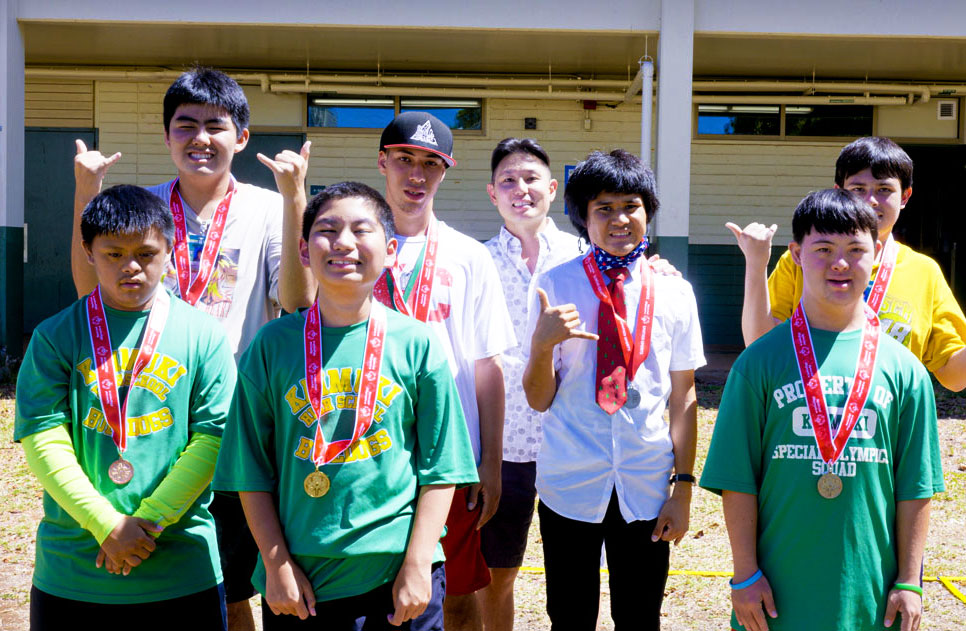
ANG akong anak ba adunay deperensya?
Pagpangita sa Bata mao ang proseso sa HIDOE sa pag-ila, pagpangita ug pagtimbang-timbang sa mga bata ug kabatan-onan nga giila nga o gisuspetsahan nga adunay kakulangan ug mahimong nagkinahanglan ug espesyal nga edukasyon ug mga serbisyo nga may kalabutan. Kung nagduda ka nga ang imong anak adunay kakulangan, ania kami aron motabang. Pagkat-on pa