
The Department’s subject matter standards are used to ensure students are being exposed to rigorous and age-appropriate benchmarks of learning. Nā kūlana are not curriculum, but expectations of what students should know and be able to do at each grade level. Visit the Department’s Paena Hoʻolālā Aʻo to learn more about curriculum design aligned to standards.
Current core Standards
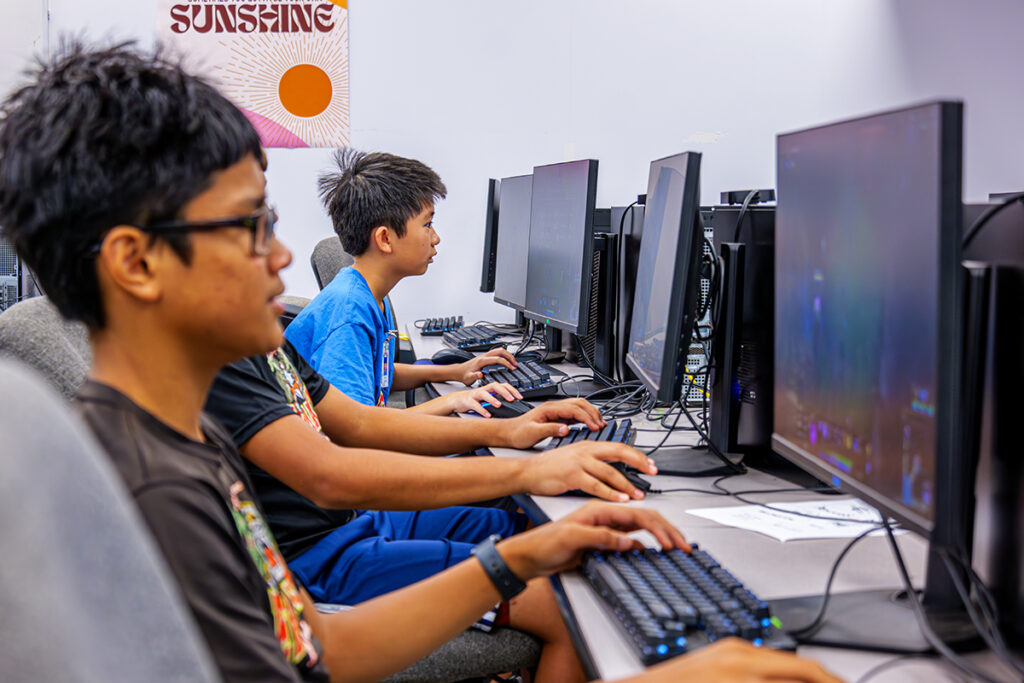
Career and Technical Education (CTE) – Industry Pathway and Program Nā kūlana
Computer Science – CSTA K-12 Computer Science Nā kūlana
English Language Arts – Hawaiʻi Core maʻamau
Fine Arts – National Core Arts Nā kūlana
Health Education – National Health Education Nā kūlana: Achieving Excellence (NHES)
Mathematics – Hawaiʻi Core maʻamau
Physical Education – Hawaiʻi Content and Performance Nā kūlana III
Science – Next Generation Science Nā kūlana (NGSS)
- Heluhelu i ka Nā kūlana
- Nā alakaʻi makua i NGSS:
Social Studies – Hawaiʻi Core Standards for Social Studies (HCSSS)
kula haʻahaʻa:
lua:
Nā Papa Koho Kula Kiʻekiʻe Haʻawina Pilikino:
World Languages – Hawaiʻi World-Readiness Nā kūlana for Learning Languages
ʻO ka Papahana ʻŌlelo Honua focuses on the teaching and learning of languages other than English and the cultures the languages represent at K-12 public schools in Hawaiʻi. The program’s vision is that all students will communicate and demonstrate cultural competence in at least two languages.
The World Languages Program consists of instruction in languages including American Sign Language, French, German, Ilokano, Japanese, Korean, Latin, Mandarin Chinese, ʻōlelo Hawaiʻi, Samoan, Spanish, and Tagalog at the elementary and secondary school levels. Language offerings vary from school to school and are based on school resources and student and community interests.
Financial Literacy standards
Starting with incoming freshmen in the Class of 2030, all students in Hawaiʻi public schools must successfully complete a financial literacy educational opportunity prior to graduation and document completion through their Personal Transition Plan (PTP). Schools may meet the requirement through a variety of instructional approaches, including a standalone elective course, integration into existing courses, self-paced learning options, or other instructional designs that align with HIDOE’s financial literacy program standards.