
Hoʻohana ʻia nā kūlana kumuhana o ka 'Oihana e hōʻoia i ka ʻike ʻia ʻana o nā haumāna i nā pae hoʻopaʻa paʻa a kūpono hoʻi o ka makahiki. ʻAʻole nā haʻawina maʻamau, akā nā manaʻolana i nā mea e ʻike a hiki i nā haumāna ke hana ma kēlā me kēia pae papa. E kipa i ka 'Oihana Paena Hoʻolālā Aʻo e aʻo hou aku e pili ana i ka hoʻolālā haʻawina e pili ana i nā kūlana.
Nā Kūlana kumu o kēia manawa
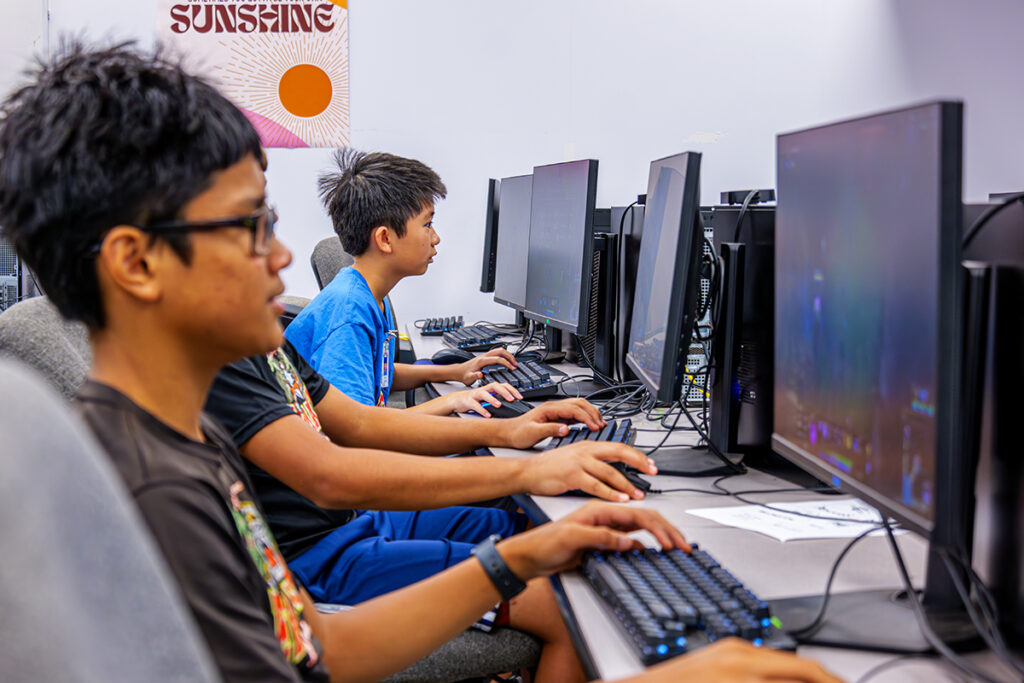
Career and Technical Education (CTE) – Industry Pathway and Program Standards
ʻEpekema Kamepiula – CSTA K-12 Nā Kūlana ʻepekema kamepiula
Nā ʻŌlelo Pelekania – Hawaiʻi Common Core
Nā Hana Kiekie – Nā Kūlana Kiʻekiʻe ʻĀina
Hoʻonaʻauao Ola - Nā Kūlana Hoʻonaʻauao Ola Ola: Achieving Excellence (NHES)
Makemakika – Hawaiʻi Common Core
Hoʻonaʻauao kino – Hawaiʻi Content and Performance Standards III
ʻEpekema – Nā Kūlana ʻEpekema Hou aʻe (NGSS)
- Heluhelu i ka Nā kūlana
- Nā alakaʻi makua i NGSS:
Haʻawina Kaiāulu – Nā Kūlana Kūlana Hawaiʻi no ka Haʻawina Kaiāulu (HCSSS)
kula haʻahaʻa:
lua:
Nā Papa Koho Kula Kiʻekiʻe Haʻawina Pilikino:
Nā ʻŌlelo o ka Honua – Nā Kūlana Mākaukau o ka Honua no ke aʻo ʻana i nā ʻōlelo
ʻO ka Papahana ʻŌlelo Honua focuses on the teaching and learning of languages other than English and the cultures the languages represent at K-12 public schools in Hawaiʻi. The program’s vision is that all students will communicate and demonstrate cultural competence in at least two languages.
The World Languages Program consists of instruction in languages including American Sign Language, French, German, Ilokano, Japanese, Korean, Latin, Mandarin Chinese, ʻōlelo Hawaiʻi, Samoan, Spanish, and Tagalog at the elementary and secondary school levels. Language offerings vary from school to school and are based on school resources and student and community interests.
Financial Literacy standards
Starting with incoming freshmen in the Class of 2030, all students in Hawaiʻi public schools must successfully complete a financial literacy educational opportunity prior to graduation and document completion through their Personal Transition Plan (PTP). Schools may meet the requirement through a variety of instructional approaches, including a standalone elective course, integration into existing courses, self-paced learning options, or other instructional designs that align with HIDOE’s financial literacy program standards.