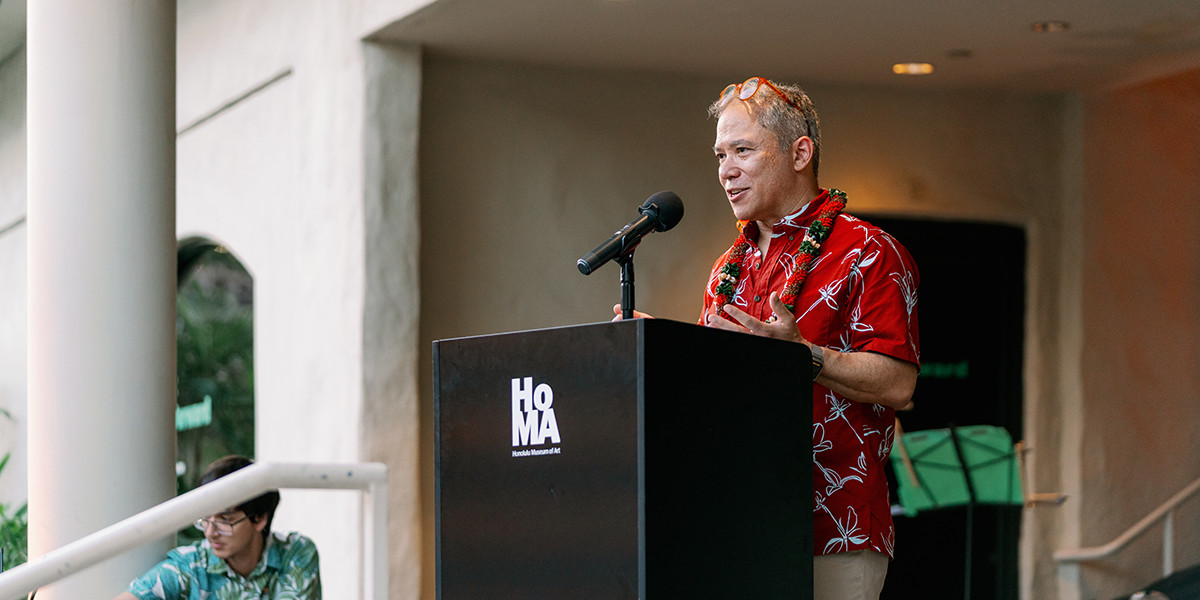

ʻO Beth Lawson
Poʻo inoa: Luna Hana Kanaka (Luna Hana Kaiaulu Kula)
Paena hana: Kaʻū-Keaʻau-Pāhoa Complex Area
Nā makahiki ma HIDOE: 20 mau makahiki
Nā makahiki ma ke kūlana: 20 mau makahiki
N: E wehewehe pōkole i kāu ala ʻoihana.
A: Growing up I was always interested in the helping professions and knew early on that I wanted to go into psychology or medicine. I finished my bachelor’s degree at Ohio University where I did several internships with private mental health agencies working with juveniles in the foster care system as well as the juvenile justice system. Those experiences were eye opening in regards to how youth are treated in the social services system. I moved to Hawaiʻi Island in 2002, working at a private community mental health agency in Hilo while finishing my master’s program. My work at this agency allowed me to work directly with DOE schools in Hilo and Puna. I worked primarily with students experiencing behavioral and other mental health challenges and their respective school teams. I developed great working relationships with the district staff of the Kaʻū-Keaʻau-Pāhoa Complex Area (KKP). A school social worker position became vacant and I applied. I felt working within the school system with youth may provide more ability to help a broader range of youth/families in the Puna area. It was also appealing to bring a different perspective to the educational field when figuring out how to help students benefit from and access their education. I have worked solely in the Puna and Kaʻū areas of the Big Island for my entire career and plan to continue to serve the youth in KKP for as long as possible.
Q: He aha kāu mau hana mua?
A: School Social Workers/Human Services Professionals (SSW/HSP) have differing responsibilities throughout the state. In the Kaʻū-Keaʻau-Pāhoa Complex Area, we have three positions that work in the schools from Pāhoa to Ocean View. Primarily, we support youth that are involved with the juvenile justice system and we are the DOE representatives in family court cases for juvenile law violators. We also primarily work with youth that are multi-agency involved working as the DOE liaison between schools and agencies to make sure that the schools have all the appropriate information to make informed decisions regarding educational plans for students. Another major area of focus is school attendance. We assist the schools with home visits (many, many home visits), case consultation on next steps for attendance concerns, meet with families about referrals that could help increase regular school attendance and will attend court hearings for school non-attendance, if needed. We are also active participants in school level Hawaiʻi Multi-Tiered System Of Support (HMTSS) meetings to develop and monitor school wide systems for attendance and behavior which hopefully will impact overall student achievement. The KKP SSW/HSP’s work hard to be available for our schools and students to further the goal of every student being able to access and benefit from their educational experience. We also work on other areas of importance such as threat assessment and homeschooling and are well trained in IDEA/504 (often attending/participating in those meetings).
Nīnau: ʻO ka māhele punahele e pili ana i ka hana?
A: ʻO kaʻu ʻāpana punahele o ka hana, ʻo ia ka hana ʻana me nā ʻōpio a me ko lākou mau ʻohana. ʻAʻole ia he mea leʻaleʻa mau a he nui nā kamaʻilio paʻakikī e pili ana, akā, ʻaʻole kekahi e komo i kēia kahua me ka manaʻo e maʻalahi nā manawa. ʻO nā keiki maoli nō ko kākou wā e hiki mai ana a he mea hanohano ke kōkua iā lākou i ka wā e hakakā ana lākou a i ʻole e pono ai ke kākoʻo hou aku.
Nīnau: ʻO ka hapa nui loa e pili ana i kāu kūlana?
A: The most challenging aspect of this position is when you know something will greatly assist a student or family in their daily lives and they choose not to engage.
Nīnau: He aha kāu ʻōlelo aʻo no ka poʻe e noʻonoʻo nei i kēia kūlana?
A: One piece of advice I would have for anyone considering this field or role is to remember to meet people with a non-judgmental attitude. We all struggle at times and being able to seek assistance without worry of judgment is invaluable.
Q: How does your job support students?
A: SSW/HSPs provide unique support to students. We are not trained educators like teachers (I’m in awe of teachers, they have the hardest job!), but we are trained professionals with backgrounds that allow us to look at a student from a different lens. Our support of students may not be direct services but is no less valuable. SSW’s/HSP’s look at students from a whole child view, we look to see how home life could be impacting students and how students/families may be able to access community supports to enhance their educational experience. We also work closely with our SSC’s, School counselors, and BHS staff to problem solve tough cases. It is weird to say but a student may never know who we are but we could have played an integral role in their educational experience.
Q: He ʻoiaʻiʻo leʻaleʻa e pili ana iā ʻoe iho?
A: Makemake au i ka huakaʻi, ʻike pinepine au i kaʻu mau keiki ma ka ʻāina nui.